
 Are you thinking of getting out there this summer and ‘…wandering over hill and vale …’ ? Excellent news indeed and why not! After all, if you apply common sense and choose a route that you are capable of completing from the ‘technical’ and health and fitness perspective you really should be fine.
However, if you are not too experienced or you are the sort of person who would rather check that they have thought of all the right things, spend five minutes reading through the short blog here: http://step-outside.co.uk/summer-walk-top-three-considerations/
Its all about the Summer 1, 2, 3 …. – it explains about how to reduce your chances of overheating – possibly leading to hyperthermia; the importance of avoiding sunburn; and it has a quick look at simple ways to avoid picking up those nasty little ticks!
A Summer Walk – Top Three Considerations!
Plenty of articles appear ahead of the winter season, warning you of the additional care necessary when walking in the snow or cold weather, but not so many give the equivalent advice for the summer season.
And let’s face it, if you apply common sense and walk a route that you are capable of completing from the ‘technical’ and health and fitness perspective you should be ok.
But let’s just have a quick reminder of the three top summer perils – overheating, sunburn and ticks – the summer one, two three …. and some simple considerations to reduce the chances of any of them effecting you.
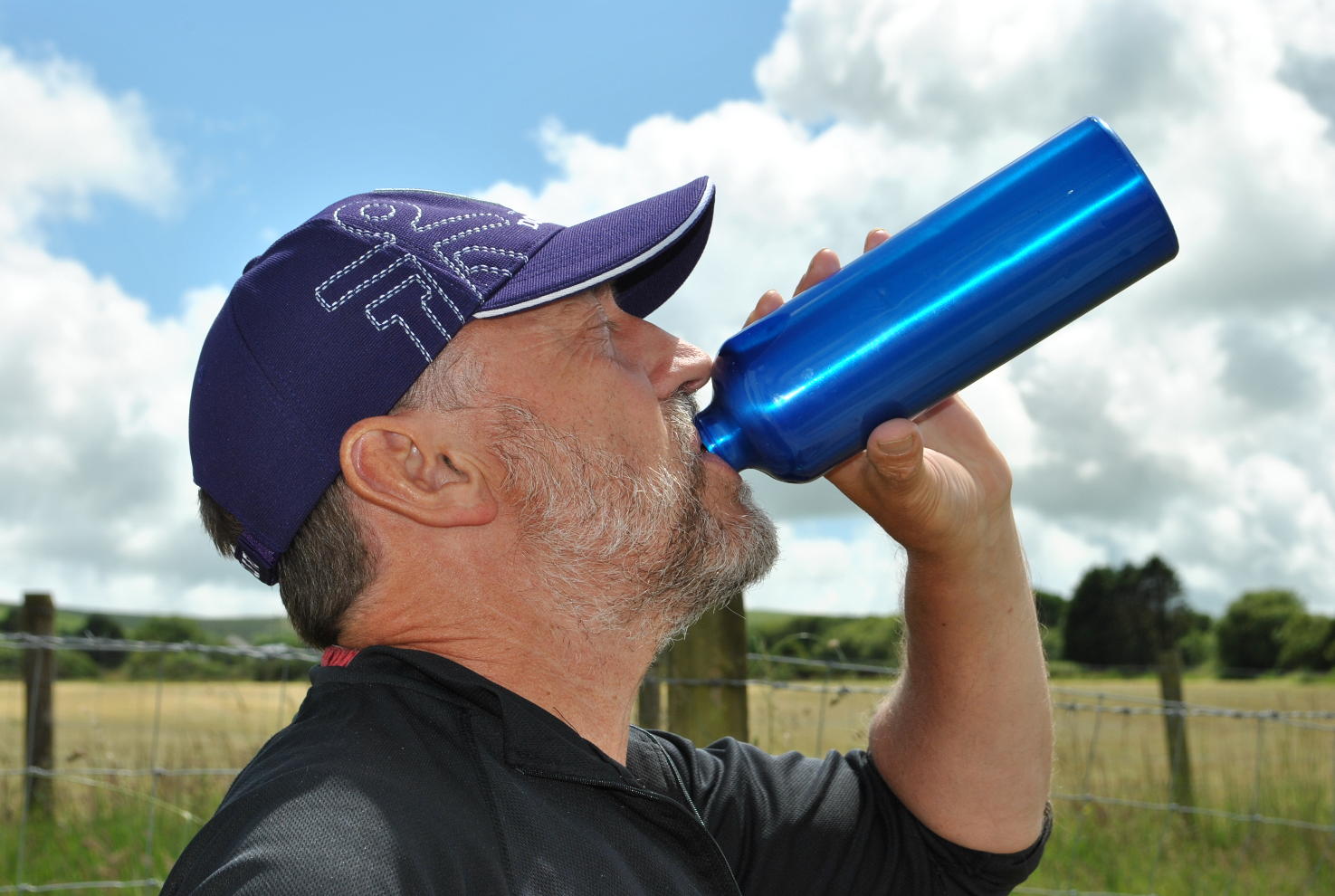
1. Overheating Now the human body is a very clever instrument and it puts a lot of effort into controlling its temperature – the technical term is ‘homeostasis’! If you are not sensible when walking in the summer your body can seriously overheat and you could start to suffer from hyperthermia (as opposed to hypothermia) and if unrelieved, could lead to collapse and death. Unrelieved is the key word here. Its fine to get a bit sweaty and ‘poofed out’ walking up a hill on a sunny day – so do not let that worry you – but give your body the chance to recover by taking on plenty of fluids to replace those lost through sweating and have regular breaks to allow your body to rest and cool down. Think of a sportsman grabbing a drink and having a rest at half time in a game – it’s the same principle. So the message is, yes you’ll sweat on a sunny day but replace those lost fluids and give the body time to recover from your exertions.
But there are several other considerations to give your body an extra hand:
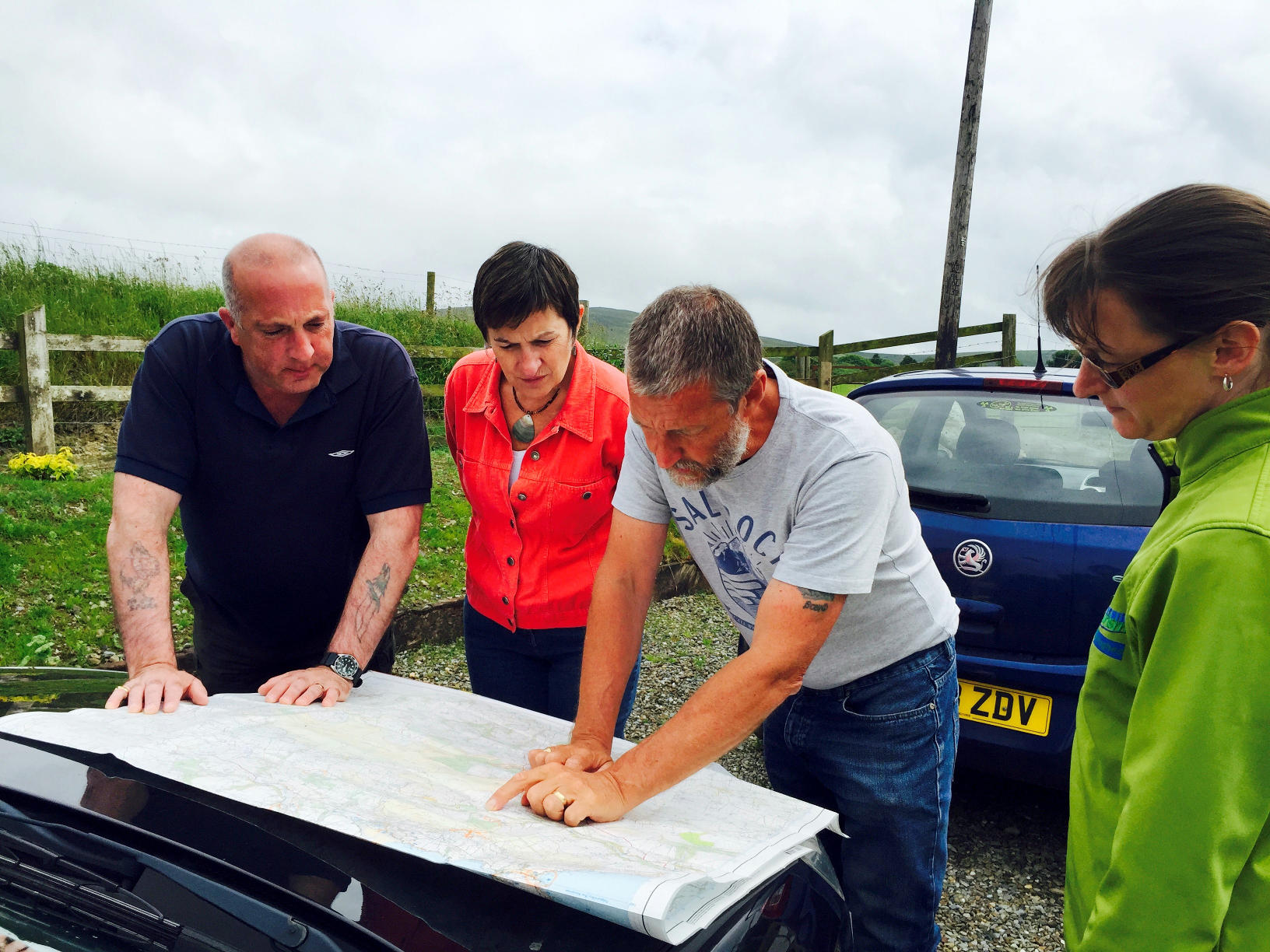
Route Planning Think about building-in contouring and even detouring to avoid long slope climbs in the summer. The slope you skipped up last spring could be very energy sapping in the summer. You should always plan in escape routes but this is particularly important should you or one of your party feel the effects of the sun. You need to rest that person, rehydrate them and then get them off the hills for a check-up.
Plan to Take More and Regular Breaks You have much longer days in the summer so get yourself out there in the cool of the morning and plan to walk at a slower speed. After-all, what’s the hurry? Plan in more frequent breaks and make sure they are regular so that your body can recover. Everyone who knows me also knows that I am always banging on at people to stop and take in the views – that is why most of us walk in the first place! So enjoy the view and let your body have a breather at the same time! Plan in the lunchtime break at a spot which offers some shade – like under the capstone of a megalith!
Clothing Think about layer management and wear the right base layers to allow sweat to ‘wick-away’ from your body – this prevents you from feeling clammy and wet which could lead you to quickly feeling cold when you do stop for a break. Base layers are not that expensive – and my top tip is that they are even cheaper if you are prepared to buy last year’s lurid colours in a sale! Take a mid-layer of even a thin fleece with you. Sounds daft but when you stop for a break, a chilly hill breeze will soon make you feel cold. Walking in shorts is dealt with later in this article.
Walking Boots or Shoes? The relative merits of boots versus walking shoes (or One and Three Season boots) is a blog in itself. All I would say is that shoes are often preferred by walkers in the summer but think about the terrain you will be walking on – is it worth risking turning an ankle? My preference is always go for the protection of a good walking boot – it comes back to planning.
Water and Snacks We talked about replacing the fluids that the body looses through sweating. Carry plenty of water for you and then some spare – you might be delayed and need it. And carry energy snacks – again to help the body replaced the nutrients that it is losing by working for you.
2. Sunburn Use suntan lotion and if you are particularly susceptible to sunburn use a brimmed hat. Even if there is only a gentle breeze blowing, it will be enough to prevent you from detecting the sunburn warning signs that you would get in your back garden and at the end of a full day’s exposure to the sun you will be regretting it. Remember as well that the effects of the sun on skin is more intense in the clearer air of the hills so keep reapplying the suntan lotion. Personally I am not a hat man, but I do know it is sensible to carry (and wear!) one at times.
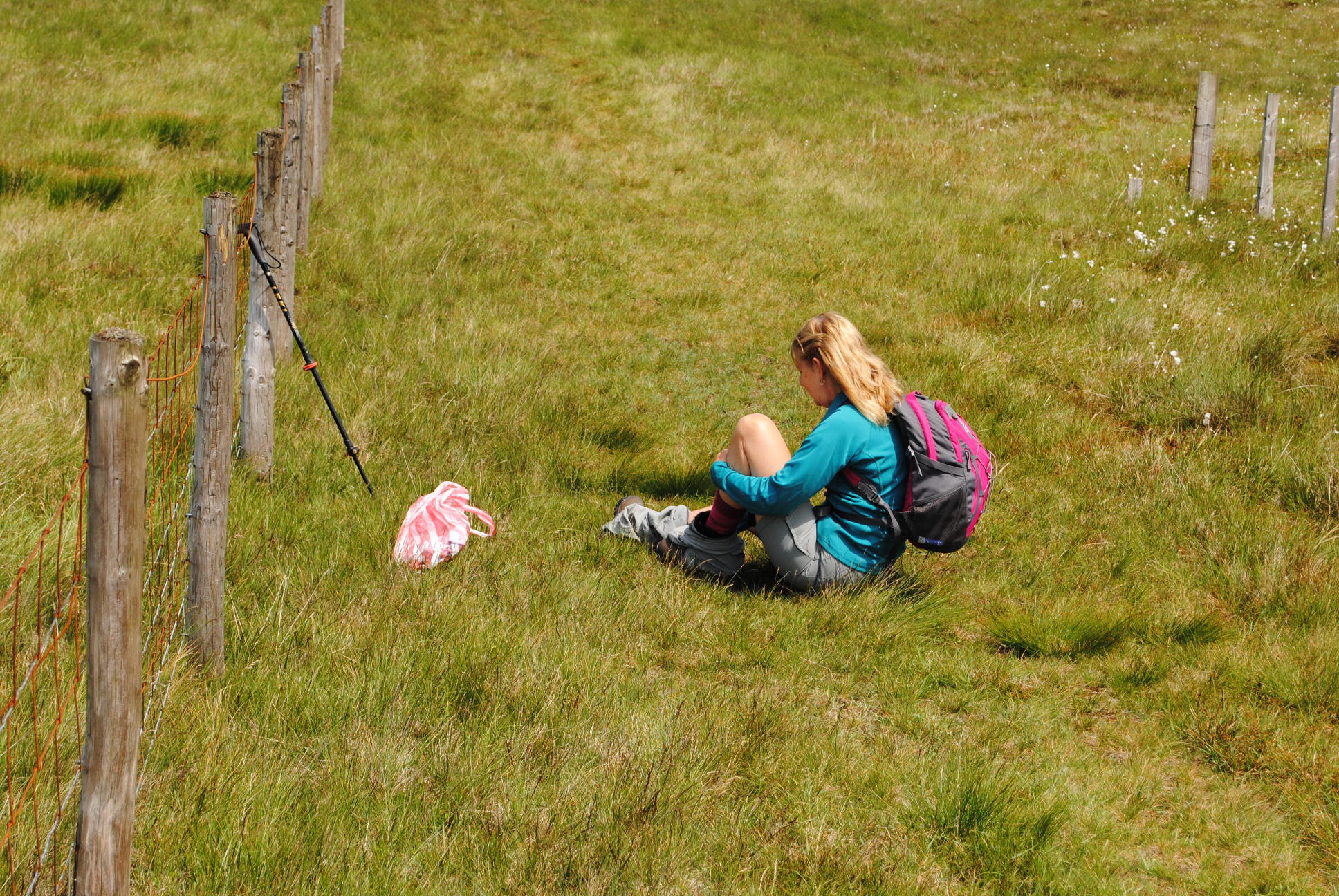
3. Ticks The final summer threat is Lyme disease, which is spread by tick bites and in a minority of cases, can cause severe debilitating heart and nervous system disease. Ticks are really small insects, found in heathland and lightly forested areas and they feed off the blood of animals but they are also quite partial to the odd suck from a passing human! In the summer months the temptation is for many hill walkers get their shorts on and off but my advice would be to use a pairs of walking trousers where the bottom of the legs unzip and if your path takes you through higher vegetation ‘put your legs back on’ for the vegetation transit. If you don’t want to, then make sure you use a reputable insect repellent. Roll your sleeves down and if you are particularly susceptible to bites put your gaiters on. Check skin, hair and warm skin folds for ticks at the end of your walk and see your doctor if you find a bit.
I know it’s not the jungle and the above might seem OTT but it’s just common sense and prevention is better than cure. Enjoy the summer and be safe! Oh yes, one more thing, if you see cattle with their young, try to avoid them and certainly avoid walking between a cow and its calf!
Any questions give Ian a ring on 01239 821631 or visit https://www.walkingcottagespembrokeshire.co.uk/walking-in-the-hills-and-moorland/